Imran Khan Death Rumour: Was Former Pakistan PM Mu
October 2, 2026

Written by Mira Patel | June 20, 2025 | New Delhi
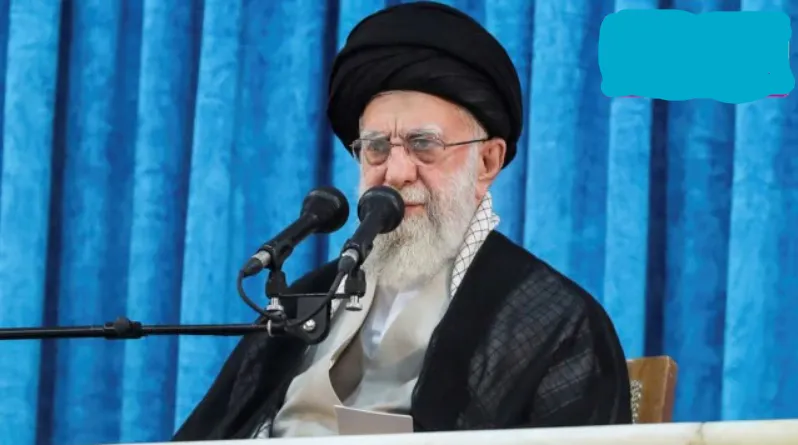
Ayatollah Ali Khamenei, Iran's Supreme Leader since 1989, is one of the most powerful and controversial figures in the Middle East. Revered domestically by supporters and vilified by critics abroad, Khamenei sits at the top of Iran's complex theocratic system, wielding control over both state and religion.
In recent days, Israel and the United States have ramped up rhetoric, openly discussing the possibility of targeting Khamenei amid growing regional tensions.
The position of Supreme Leader is the highest authority in Iran, even above the president. Under Iran’s theocratic constitution, Khamenei has sweeping powers, including:
Commanding the armed forces
Appointing key judiciary, military, and media positions
Overseeing foreign policy and military strategy
Controlling the powerful Islamic Revolutionary Guard Corps (IRGC) and the elite Quds Force
Vetoing laws passed by parliament and dismissing elected officials
His role is grounded in Velayat-e Faqih (“guardianship of the Islamic jurist”) — a Shia doctrine granting clerics ultimate authority over the state. This ideology, championed by Ayatollah Ruhollah Khomeini, the leader of the 1979 Iranian Revolution, forms the core of Iran's Islamic Republic.
Born: 1939, Mashhad, Iran
Family: Son of a cleric, second of eight siblings
Clerical Training: Studied in Qom, Iran’s religious center
Political Roots: Joined anti-Shah movement in 1962; imprisoned multiple times
Post-Revolution Roles:
President of Iran (1981–1989)
Succeeded Khomeini as Supreme Leader in 1989
Khamenei led Iran through the brutal Iran-Iraq War and has since overseen the country’s transformation into a regional power, largely through proxy warfare and ideological influence across Lebanon, Syria, Iraq, and Yemen.
Khamenei's leadership blends conservative Islamic values, anti-Western sentiment, and nationalist self-reliance. He regularly denounces the US and Israel, and is a firm supporter of the “Axis of Resistance” — a coalition including Hezbollah, Syria’s Assad regime, and Palestinian militant groups.
Despite health rumors and advancing age (now 85), Khamenei remains a decisive figure in Iran’s politics and foreign policy, particularly regarding the nuclear program, US sanctions, and Middle East conflicts.
Khamenei’s eventual succession will mark a turning point for Iran. No successor has been publicly named, although the Assembly of Experts is tasked with choosing the next Supreme Leader. Internally, Khamenei’s rule has faced increasing dissent, especially among the youth, but so far the regime has maintained its grip on power through tight media control, crackdowns, and ideological enforcement.
Internationally, calls for targeting Khamenei, such as recent statements by Israeli Defense Minister Israel Katz and former US President Donald Trump, have raised fears of escalation.
Khamenei remains defiant. In his own words:
“The Iranian nation cannot be surrendered. Those who know Iran will never speak in the language of threats.”
Ayatollah Ali Khamenei is more than a religious figure—he is Iran’s ultimate decision-maker. His long tenure has shaped Iran’s internal structure, its confrontational foreign policy, and its place in the geopolitics of the 21st century. Whether revered or reviled, his impact on Iran and the world is undeniable.
SEO Tags: Ayatollah Ali Khamenei biography, Supreme Leader of Iran powers, Iran politics 2025, Iran-Israel conflict, Velayat-e Faqih explained, Khamenei foreign policy, Iran nuclear leadership
October 2, 2026
October 2, 2026

October 2, 2026

October 2, 2026

October 2, 2026
October 2, 2026

October 2, 2026

October 2, 2026

October 2, 2026
October 2, 2026
No comments yet. Be the first to comment.