Delhi Tremors as 4.4 Magnitude Earthquake Hits Har
October 2, 2026

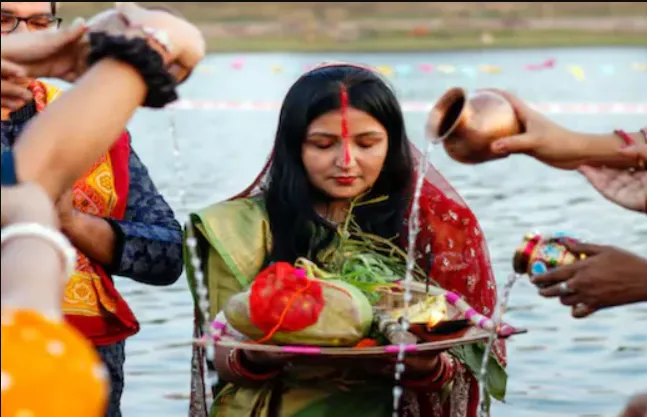
Quick summary: Chhath Puja 2025 will be observed across India as a four-day festival honoring Surya Dev and Chhathi Maiya. The key events — Nahay Khay, Kharna, Sandhya Arghya (evening), and Usha Arghya (morning) — fall between October 25 and October 28, 2025. Read on for times, rituals, preparations and FAQs.
Chhath Puja is a four-day Hindu festival dedicated to the Sun God (Surya) and Chhathi Maiya. Traditionally observed in Bihar, Jharkhand, eastern Uttar Pradesh and parts of Nepal, devotees — often women — observe ritual purity, fasting (including an extended 36-hour nirjala fast), holy bathing and offer water oblations (Arghya) to the setting and rising sun.
Below is the general, widely reported schedule for Chhath Puja 2025. Exact sunrise/sunset muhurats vary slightly by city — if you need city-specific sunrise/sunset, use a local panchang or calculate with the local astronomical data.
Note: multiple popular national sources and panchang calculators report these dates for 2025. :contentReference[oaicite:5]{index=5}
Chhath rituals are tied to sunrise and sunset. For reference, some panchang sites list approximate sunrise and sunset for the festival days (times vary by city): sunrise ~06:28–06:41 AM and sunset ~05:41–06:06 PM around the Chhath days in 2025. Always confirm your local muhurat from a trusted panchang. :contentReference[oaicite:6]{index=6}
Cleanse: Devotees take a ritual bath in a river or at home, clean the house and kitchen, and eat a simple satvik meal (no onion/garlic). This day is about physical and mental purification as preparation for the fast.
Fasting starts: The devotee keeps a day-long fast and in the evening performs Kharna — breaking a partial fast briefly with kheer (a sweet rice pudding), rotis and fruits. After Kharna, devotees resume the stricter nirjala fasting (no food, no water) for about 36 hours.
At sunset devotees gather along riverbanks, ghats or ponds to offer Arghya (water and prasad) to the setting sun, sing folk hymns and recite traditional Chhath mantras. Offerings typically include seasonal fruits, thekua (a baked sweet), and diyas (earthen lamps).
Devotees return to the waterbody before sunrise to offer the Usha Arghya (morning offering). After the offering, the fast is broken (Parana) usually after receiving priestly blessing or as per family custom.
Major ghats and cities known for large Chhath gatherings: Patna (Patliputra Digha, Kangan Ghat), Gaya (Sun Ghat), Varanasi (Assi & Adalat Ghats), Kolkata (Rabindra Sarobar), and regional ghats across Bihar/Jharkhand. These ghats hold vibrant community processes and large-scale Sandhya/Usha Arghya events.
To maximize organic visibility, use a mix of short and long-tail keywords naturally across title, headings, meta description and anchor text. Example keywords we used in this article:
Also use location-specific pages/posts (e.g., “Chhath Puja 2025 Patna timings”) for local search traffic.
If you want a city-specific Chhath timetable (with exact sunrise/sunset and muhurat), tell us the city and we can add a localized schedule you can embed on your page.
October 2, 2026
October 2, 2026

October 2, 2026
October 2, 2026
October 2, 2026

October 2, 2026
October 2, 2026

October 2, 2026
October 2, 2026

October 2, 2026
No comments yet. Be the first to comment.