JSW Cement IPO Closes 8x Subscribed, GMP Slips
October 2, 2026


By: Tech Desk | New Delhi | Updated: July 6, 2025 | ~4 min read
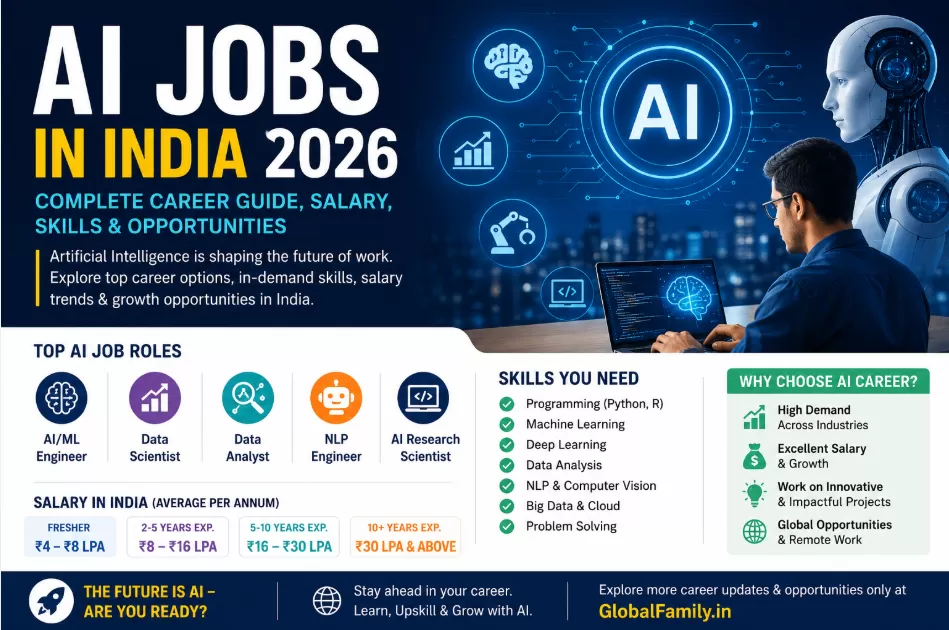
With the rise of artificial intelligence (AI), the global job landscape is undergoing a major transformation. OpenAI CEO Sam Altman recently stated, “We are past the event horizon; the take-off has started,” underscoring that the age of intelligent machines is here — and with it comes a sweeping redefinition of work.
AI’s ability to handle large volumes of predictable, repetitive tasks means it will disrupt a broad range of industries — from logistics to legal services. History has shown that while new technologies displace some jobs, they also create entirely new kinds of work.
New roles are already gaining importance, including:
Prompt engineers — crafting effective inputs for AI systems.
Data curation leads — ensuring high-quality training data.
Model-bias auditors — making sure AI systems operate fairly and without harmful bias.
AI operations technicians (AI ops) — maintaining and managing AI infrastructure.
Synthetic media designers — creating novel content by collaborating with AI tools.
Even in existing fields, AI can significantly improve productivity. For example:
Copywriters can generate drafts much faster using AI, allowing them to focus on interviews, storytelling, and more creative aspects of their work.
Similar gains are expected for researchers, designers, and analysts.
However, certain entry-level and blue-collar roles face a high risk of displacement, especially those involving routine, low-complexity tasks. Vulnerable roles include:
Python debugging (basic programming tasks)
Junior paralegal research
Entry-level marketing content creation
Customer support macros and scripted responses
Invoice reconciliation
First-pass news summaries
AI is both a disruptor and a creator — eliminating some traditional roles while enabling entirely new professions. History suggests society can adapt to such changes, but the transition may be challenging for those in at-risk jobs.
As Altman’s statement implies, the transformation is no longer hypothetical — it has already begun.

October 2, 2026
October 2, 2026
October 2, 2026
October 2, 2026
October 2, 2026

October 2, 2026
October 2, 2026

October 2, 2026
October 2, 2026

October 2, 2026
No comments yet. Be the first to comment.